Dr. Olga Jonasson
- incisionary
- Mar 30
- 3 min read

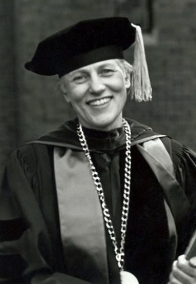
Every time a patient undergoes a complex surgical procedure, they depend on a highly trained surgeon with years of education and experience. However, for much of history, women were discouraged or even prevented from entering surgical careers. Surgery was traditionally viewed as a male-dominated profession, and women faced significant barriers in training, hiring, and leadership roles. One of the most influential figures who helped break these barriers was Dr. Olga Jonasson, a pioneering transplant surgeon who reshaped opportunities for women in medicine.
Dr. Olga Jonasson was born in 1934 and became one of the first women to achieve major leadership roles in academic surgery. She trained in general surgery at a time when very few women were accepted into surgical residency programs. Despite facing gender bias and limited opportunities, Jonasson excelled in her training and developed a strong interest in organ transplantation, a rapidly evolving field in the mid-20th century.
Throughout her career, Dr. Jonasson contributed significantly to the advancement of kidney transplantation and transplant immunology. She conducted important research on how the immune system responds to transplanted organs, helping physicians better understand how to prevent organ rejection. At a time when transplantation was still considered experimental, her work helped improve patient survival rates and build confidence in these life-saving procedures. As a result, transplantation gradually became a standard treatment for patients suffering from organ failure, offering hope where few options had previously existed.
In 1987, Dr. Jonasson achieved a historic milestone when she became the first woman to chair a department of surgery at a major medical school in the United States, serving as chair at The Ohio State University College of Medicine. This accomplishment was groundbreaking because leadership positions in surgery were almost exclusively held by men at the time. Her appointment not only demonstrated her exceptional skill and leadership but also challenged long-standing assumptions about who could lead in medicine.
Beyond her scientific and clinical contributions, Jonasson was deeply committed to mentorship and advocacy for women in medicine. She actively supported female medical students and residents, encouraging them to pursue surgical careers despite the challenges they might face. Many women who trained under her went on to become successful surgeons themselves, continuing her legacy of leadership and inclusion. She understood that breaking barriers was not just about personal success, but about opening doors for others.
Dr. Jonasson’s impact extends far beyond her own achievements. She helped shift the culture of surgery, proving that women belong in operating rooms, research labs, and leadership positions. While progress has been made, women in surgery today still face challenges such as gender bias and underrepresentation in leadership. However, pioneers like Jonasson have made it possible for future generations to enter the field with greater opportunities and support.
Written by Shanisse Tan at Incisionary
References
Hejna, E., & Price, T. (2023). Dr. Olga Jonasson: A pioneer for women in surgery. The American Surgeon. https://journals.sagepub.com/doi/10.1177/00031348211054558
Wirtzfeld D. A. (2009). The history of women in surgery. Canadian journal of surgery. Journal canadien de chirurgie, 52(4), 317–320.
Husser, W., & Neumayer, L. (2006). Olga Jonasson, MD: Surgeon, Mentor, Teacher, Friend. Annals of Surgery, 244(6), 839–840. https://doi.org/10.1097/01.sla.0000248100.13289.c0
Sims, C.A., Leemaster, J. & Pawlik, T.M. Inspirational Women in Surgery: Olga Jonasson, the Legacy of the First Female Chair of an Academic Department of Surgery. World J Surg 46, 755–756 (2022). https://doi.org/10.1007/s00268-021-06302-1


Comments