Dr. Valentina Greco – Pioneering Stem Cell Research and Surgical Applications
- incisionary
- Mar 30
- 2 min read

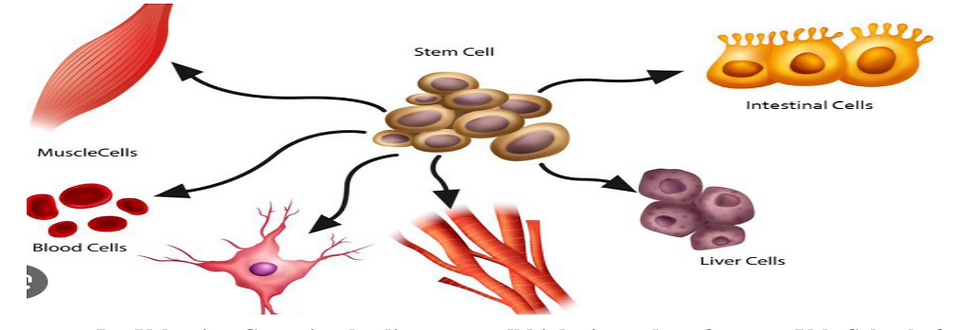
Dr. Valentina Greco is a leading stem cell biologist and professor at Yale School of Medicine, where she holds appointments in the departments of genetics, cell biology, and dermatology. Born in palermo italy, she earned her PhD in germany and completed her postdoctoral training at the Rockefeller University before joining Yale in 2009. Since then, she has become one of the most recognized scientists in her field, being inducted into the american academy of arts and sciences in 2025, named a howard hughes medical institution investigator in 2024, and recognized as one of the "50 Scientists that Inspire" by Cell Press (Yale SOM). She also currently serves as the president of the international society for stem cell research (ISSCR), bringing global visibility to the importance of regenerative medicine.
Dr. Greco's work matters because it helps scientists understand how the human body repairs and maintains itself over time. As Dr. Greco explains, "the Greco Lab aims to define how tissues maintain themselves throughout our lives in the face of continuous cellular turnover, frequent injuries, and spontaneous mutations" (Valentina G.). This is enormously significant for medicine. If we understand how healthy tissue regenerates, we can better treat wounds, skin diseases, and even cancer. Her lab uses her skin as a model system because it is constantly renewing itself, making it an ideal window into how stem cells behave across the entire body.
To study these processes, dr.grecos team used cutting-edge imaging technology applied directly to living animals. According to Greco lab, the lab has "developed scientific processes and novel tools that integrate imaging of stem cells in their niche in live mice with both genetic and cell biological approaches, allowing them to understand the complex orchestration of tissue regeneration" (Samantha L.). by watching stem cells in real time inside living tissue, the team can observe exactly how cells divide, communicate, and respond to damage or mutation. This approach has already revealed how skin cells can suppress early cancer growth and how the timing of cellular signals drives tissue repair, opening new doors for future therapies in wound healing, cancer prevention, and regenerative medicine.
Written by Malak Ibrahim at Incisionary
References
Samantha L. (n.d.). Valentina Greco, Ph.D. Yale School of Medicine. https://medicine.yale.edu/profile/valentina-greco/
Valentina G. (n.d.). Research. Greco Lab. https://www.grecolab.org/research
Bioinformant. (n.d.). What are stem cells? [Image]. Bioinformant. https://bioinformant.com/what-are-stem-cells/


Comments